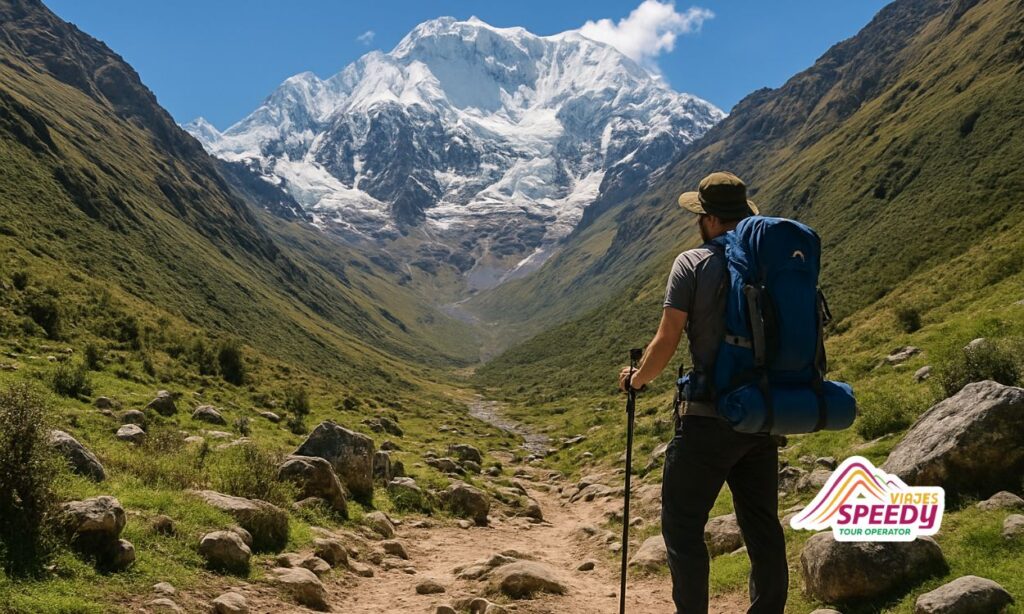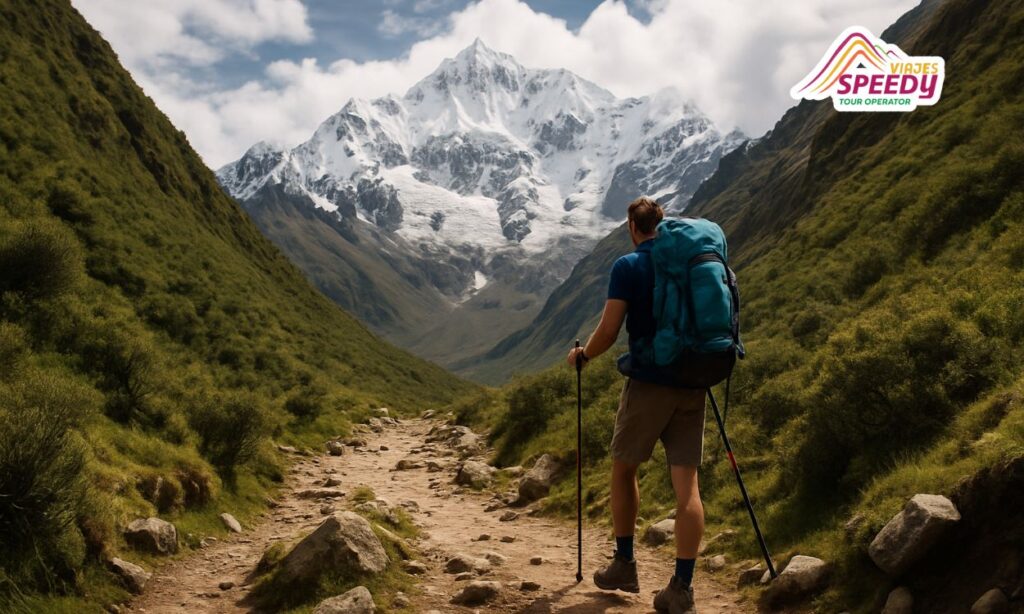
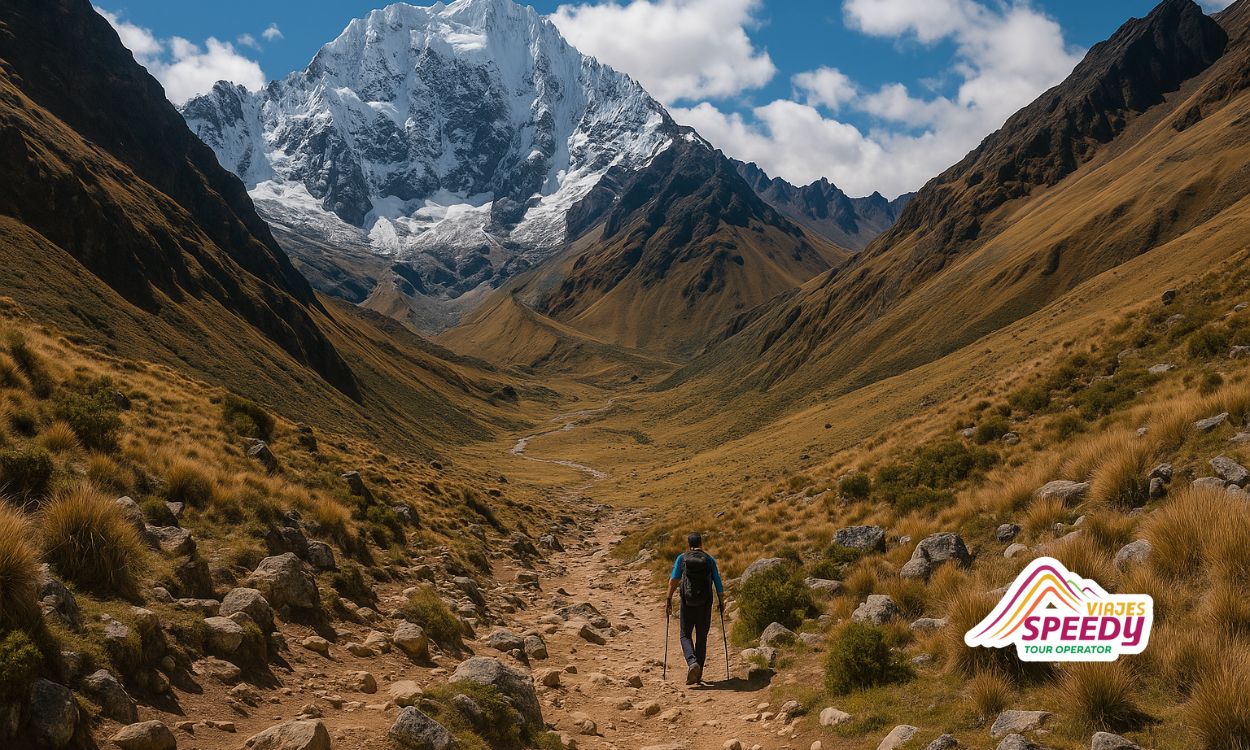
The Salkantay Trek is one of the most popular alternatives to the Inca Trail, offering breathtaking views, diverse landscapes, and a challenging adventure. But many travelers often ask: is the Salkantay Trek dangerous? The answer depends on preparation, fitness level, and awareness of potential risks. This article explores the safety aspects, possible dangers, and practical tips to ensure a safe and enjoyable journey.
Understanding the Salkantay Trek
Before diving into whether the Salkantay Trek is dangerous, it’s important to understand what the trek involves. The Salkantay route is a multi-day hike (usually 4 to 5 days) that takes adventurers through stunning high-altitude scenery, including snow-capped peaks, cloud forests, and lush valleys. The trek reaches a maximum altitude of 4,650 meters (15,255 ft) at the Salkantay Pass, making altitude one of the main challenges.
Salkantay Trek Safety: What You Need to Know
When considering Salkantay Trek safety, it’s crucial to address both physical and environmental challenges. While the trek is not inherently dangerous, it requires preparation, awareness, and respect for the conditions.
- Altitude sickness is the most common risk.
- Weather conditions can be unpredictable, shifting from hot sun to freezing cold.
- Trail difficulty varies, with some steep and rocky sections.
With proper planning and the right mindset, thousands of hikers complete the trek every year without major issues.
How Difficult is the Salkantay Trek?
One of the most asked questions is: how difficult is the Salkantay Trek? The trek is considered moderate to challenging, depending on your fitness level and hiking experience. Key factors include:
- Long walking hours: 6–8 hours per day.
- High altitude: Up to 4,650 meters.
- Temperature changes: From freezing nights to warm days.
The difficulty level is higher than some classic hikes, but with preparation, most moderately fit travelers can manage it.
Dangers of Salkantay Trek
While the trek is safe when done properly, let’s address the potential dangers of Salkantay Trek:
1. Altitude Sickness on Salkantay Trek
At over 4,000 meters, altitude sickness Salkantay is the main risk. Symptoms include headache, nausea, dizziness, and fatigue. Acclimatization in Cusco or the Sacred Valley before starting is essential.
2. Salkantay Weather Conditions
The Salkantay weather conditions can be unpredictable. Rain, snow, and sun may all occur in a single day. Hypothermia and dehydration are risks if not properly equipped.
3. Trail Conditions
The trail includes steep ascents, rocky paths, and slippery sections. Good hiking boots are essential to avoid injuries.
4. Remote Location
Although the trek is popular, parts of it are still remote. Medical facilities are limited, so preparation and traveling with a guide is recommended.
Salkantay Trek Difficulty Level vs. Inca Trail Safety
Many travelers compare the two most popular routes: Salkantay Trek vs Inca Trail safety. While the Inca Trail is more regulated and offers established campsites, the Salkantay is less crowded but more rugged. Both require physical readiness, but the Salkantay Trek reaches higher altitudes and is considered slightly more demanding.
How to Prepare for Salkantay Trek
Preparation makes the difference between a safe and enjoyable hike and a potentially dangerous experience. Here are key how to prepare for Salkantay Trek tips:
- Acclimatize in Cusco for at least 2–3 days before starting.
- Train physically: cardio, strength, and endurance training.
- Pack correctly: warm clothing, rain gear, good boots, and trekking poles.
- Stay hydrated and eat well during the trek.
- Travel with a guide for added safety and local expertise.
Safety Tips for Salkantay Trek
Following these safety tips Salkantay Trek ensures you minimize risks:
- Do not rush; walk at your own pace.
- Drink coca tea or chew coca leaves to help with altitude.
- Always follow your guide’s instructions.
- Avoid alcohol and smoking before and during the trek.
- Carry a basic first aid kit.
Should You Hire a Salkantay Trek Guide?
A Salkantay Trek guide is highly recommended, especially for first-time visitors. Guides know the trail, monitor group health, and provide cultural insights. While hiking Salkantay without a guide is possible, it is not advisable due to the altitude, unpredictable weather, and lack of infrastructure.
Solo Trekking Salkantay: Is It Safe?
Some adventurers consider solo trekking Salkantay. While technically possible, solo trekking increases the risks of getting lost, altitude complications, or facing emergencies without help. Safety is significantly higher with a guide or organized group.
Best Time to Hike Salkantay
The best time to hike Salkantay is during the dry season, from May to September. During this period, trails are more stable, and weather is generally clearer. The rainy season (November to March) increases risks of landslides, slippery trails, and cold conditions.
Conclusion: Is the Salkantay Trek Dangerous?
So, is the Salkantay Trek dangerous? The trek carries risks, like altitude sickness, weather challenges, and trail difficulty. However, with preparation, acclimatization, proper gear, and ideally a guide, it is a safe and rewarding adventure. Thousands of travelers every year complete the trek and highlight it as one of the most memorable experiences of their lives.
If you’re looking for a once-in-a-lifetime hike that combines challenge, beauty, and culture, the Salkantay Trek is a fantastic choice.
Ready to Take on the Adventure?
Discover the magic of the Salkantay Trek with experts who ensure your safety and comfort. Book your trek here: Salkantay 4D/3N Trek with Viajes Speedy