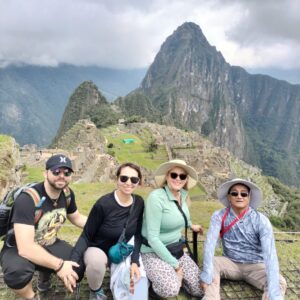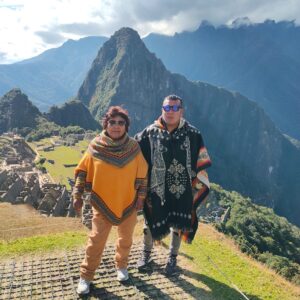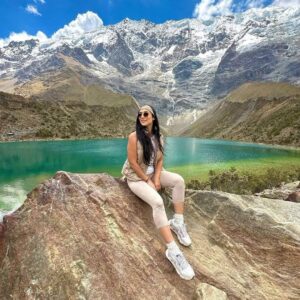

Traveling to Peru is a life-changing adventure, but one challenge every traveler must prepare for is the high altitude. Knowing how to acclimate to altitude in Peru safely is essential to make your trip enjoyable and avoid the unpleasant symptoms of altitude sickness. Whether you’re heading to Cusco, the Sacred Valley, or Machu Picchu, proper preparation can make all the difference.
Understanding Altitude Sickness in Peru
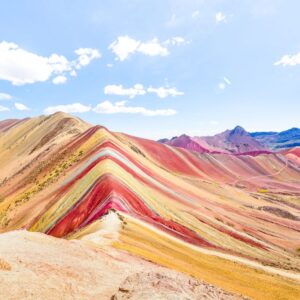
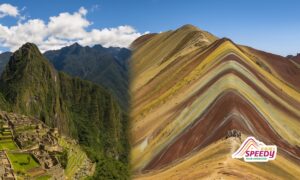
Before diving into prevention and acclimatization, it’s important to understand what altitude sickness actually is. Commonly known as soroche in Peru, altitude sickness occurs when your body struggles to adapt to the lower oxygen levels found at high elevations. Cusco sits at around 3,400 meters (11,150 feet), while nearby attractions like the Rainbow Mountain can reach over 5,000 meters.
Typical symptoms of altitude sickness in Peru include headache, nausea, dizziness, fatigue, and shortness of breath. While mild cases can be managed easily, severe forms—such as high-altitude pulmonary edema (HAPE) or cerebral edema (HACE)—require immediate medical attention.
How to Prepare for High Altitude in Peru
Preparation starts even before your flight. Here are several Peru altitude tips to help your body adapt more efficiently:
- Hydrate well before, during, and after your journey. Dehydration worsens altitude sickness.
- Sleep well and eat light meals before traveling to high altitudes.
- Avoid alcohol and caffeine at least a day before ascending.
- Pack altitude medication like Diamox if prescribed by your doctor.
- Travel gradually — if possible, start your journey at lower elevations such as Lima (sea level) or the Sacred Valley (2,800 meters) before heading to Cusco.
Acclimatization in Cusco: The Key to a Safe Adventure
If you’re flying directly into Cusco, take it slow. One of the best ways to achieve acclimatization in Cusco is to rest and give your body time to adjust. Plan your first day as a recovery day—walk slowly, eat lightly, and avoid strenuous activities.
How long to acclimate in Cusco? Most travelers find that one to two days are enough to adapt. However, if you’re planning a trek like the Inca Trail or Salkantay Trek, allowing two full days before hiking is ideal.
You can book gentle tours for your first days, such as exploring local markets or visiting nearby archaeological sites in the Sacred Valley before attempting Machu Picchu. Check out these options:
Best Ways to Adjust to Altitude in Cusco
The best way to adjust to altitude in Cusco combines rest, hydration, and local remedies. Peruvians have used natural treatments for centuries to fight altitude discomfort:
- Coca tea (mate de coca): Widely available in hotels and restaurants, this traditional tea helps alleviate headaches and nausea.
- Coca leaves: Locals chew the leaves directly to boost oxygenation.
- Oxygen canisters: These are available at pharmacies and hotels for temporary relief.
- Acetazolamide (Diamox): A preventive medication that can help your body acclimate faster, though it requires a doctor’s prescription.
What to Do for Altitude Sickness in Peru
Even with preparation, you may still feel mild symptoms. If you experience altitude sickness in Peru, follow these steps:
- Stop and rest. Do not continue ascending if you feel unwell.
- Drink plenty of water or coca tea.
- Avoid heavy meals. Stick to soups, vegetables, and carbohydrates.
- Descend if symptoms worsen. Even 300–500 meters can make a big difference.
- Seek medical help if you develop severe headaches, confusion, or difficulty breathing.
Many hotels in Cusco provide oxygen for guests, and pharmacies sell altitude medication Peru travelers often use. If symptoms persist, visit a local clinic.
Travel Tips for High Altitude in Peru
Here are some travel tips for high altitude in Peru to keep you feeling your best throughout your journey:
- Take your time: Avoid rushing between destinations. Spending a night in the Sacred Valley before Cusco helps ease the transition.
- Eat smart: Choose carbohydrates and light proteins. Avoid fatty foods that are harder to digest.
- Dress in layers: Temperatures can drop significantly at night.
- Stay positive: Anxiety can worsen physical symptoms.
How to Avoid Altitude Sickness in Machu Picchu
Many travelers are surprised to learn that Machu Picchu’s altitude (2,430 meters) is actually lower than Cusco’s. This makes it a more comfortable destination for those who have already acclimated. Still, preparation is key, especially if you’re doing an intense trek.
To avoid altitude sickness in Machu Picchu:
- Acclimate in Cusco or the Sacred Valley before your visit.
- Bring coca candies or tea in your backpack.
- Stay hydrated throughout your hike.
- If you’re doing the Inca Trail, plan your ascent carefully and allow rest breaks.
Safe Travel at High Altitude in Peru
Safety should always come first. If you’re prone to respiratory or heart issues, consult your doctor before traveling. They may recommend specific altitude medication Peru travelers commonly use, such as acetazolamide or dexamethasone.
It’s also wise to purchase travel insurance that covers medical evacuation from remote areas, especially if you’re trekking in regions like Ausangate or Choquequirao.
Local Remedies and Modern Medicine: The Perfect Combination
Traditional Andean remedies are surprisingly effective when combined with modern medicine. Coca tea, muña (Andean mint), and oxygen all help alleviate symptoms naturally. However, always pair them with scientifically backed methods—proper rest, hydration, and gradual ascent.
When to Seek Help
If you feel severe symptoms such as intense headache, vomiting, or confusion, it’s time to descend and seek medical attention. Don’t ignore these signs—they can escalate quickly.
Why Acclimatization Matters for Trekkers
For trekkers, acclimatization in Cusco is crucial. Altitude affects not only your comfort but also your performance and safety during hikes like the Inca Trail, Salkantay, or Lares Trek. Start with gentle walks in Cusco’s city center, then progress to higher trails.
Once you feel fully adjusted, embark on your adventure. Remember, Viajes Speedy offers various treks with experienced guides trained in altitude management.
Final Tips for How to Acclimate to Altitude in Peru Safely
To summarize, here are the key takeaways:
- Arrive gradually: Lima → Sacred Valley → Cusco.
- Rest for at least 24 hours upon arrival in Cusco.
- Hydrate constantly.
- Avoid alcohol and heavy meals.
- Use coca tea or Diamox as needed.
- Monitor symptoms closely and never ignore your body’s signals.
By following these Peru altitude tips, you’ll be able to enjoy every moment of your adventure safely and confidently.
For more travel ideas and safe, guided experiences across Peru, check out: